You just finished a meal, and now your stomach feels like an inflated balloon. Your waistband is suddenly tight, you're uncomfortable, and you're wondering what went wrong. If this is a regular occurrence, you're not alone — an estimated 16-30% of the general population reports frequent bloating, making it one of the most common digestive complaints worldwide.
Understanding what causes bloating after eating is the first step toward solving it. The causes are varied — and often surprising — but the good news is that most are addressable with dietary adjustments, lifestyle changes, and targeted natural support.
The Science of Bloating: What's Actually Happening
Bloating is the sensation of increased abdominal pressure, often accompanied by visible distension (your belly actually getting larger). It results from one or more of these mechanisms:
- Excess gas production: Bacteria in your large intestine ferment undigested carbohydrates, producing gases like hydrogen, methane, and carbon dioxide.
- Impaired gas transit: Even normal amounts of gas can cause bloating if your intestines aren't moving it through efficiently.
- Visceral hypersensitivity: Some people's intestinal nerves are more sensitive, perceiving normal gas volumes as uncomfortable.
- Fluid retention: High sodium intake or hormonal fluctuations can cause water retention in the abdominal area.
- Incomplete digestion: When food isn't fully broken down in the upper digestive tract, more undigested material reaches the colon for bacterial fermentation.
The Most Common Causes of Bloating After Eating
1. Food Intolerances
Food intolerances are among the most frequent — and most frequently undiagnosed — causes of post-meal bloating.
Lactose intolerance affects approximately 68% of the world's population (PubMed). When your body doesn't produce enough lactase (the enzyme that breaks down milk sugar), undigested lactose reaches your colon where bacteria ferment it, producing gas and bloating.
Fructose malabsorption affects an estimated 30-40% of people (PMC). High-fructose foods like apples, pears, honey, and products with high-fructose corn syrup can cause significant bloating in sensitive individuals.
Gluten sensitivity (distinct from celiac disease) may affect up to 6% of the population and commonly presents with bloating after consuming wheat, barley, or rye products.
2. Low Digestive Enzyme Production
Your body produces digestive enzymes — proteases for protein, lipases for fat, and amylases for carbohydrates — to break food down into absorbable components. When enzyme production is insufficient, food passes partially undigested into the lower gut, where bacterial fermentation produces gas.
Enzyme production naturally declines with age, starting as early as your 30s. Chronic stress also suppresses enzyme secretion by diverting blood flow away from the digestive system. A 2023 clinical trial found that digestive enzyme supplementation significantly improved functional dyspepsia symptoms including bloating.
3. Eating Too Fast
When you eat quickly, you swallow more air (aerophagia), which directly contributes to bloating. But speed-eating also means less chewing — and chewing is the first stage of mechanical and enzymatic digestion. Poorly chewed food is harder for your stomach and intestines to process, leading to more fermentation and gas downstream.
Studies show that eating a meal in 30 minutes versus 5 minutes significantly reduces reported bloating and digestive discomfort.
4. High-FODMAP Foods
FODMAPs (Fermentable Oligosaccharides, Disaccharides, Monosaccharides, and Polyols) are short-chain carbohydrates that are poorly absorbed in the small intestine. When they reach the colon, gut bacteria ferment them rapidly, producing large volumes of gas.
Common high-FODMAP foods include:
- Oligosaccharides: Garlic, onions, wheat, beans, lentils
- Disaccharides: Milk, yogurt, soft cheeses (lactose)
- Monosaccharides: Apples, pears, mangoes, honey (excess fructose)
- Polyols: Cauliflower, mushrooms, sugar alcohols (sorbitol, xylitol)
Not everyone is sensitive to all FODMAP categories. An elimination diet supervised by a healthcare professional can help identify your specific triggers.
5. Dysbiosis (Gut Microbiome Imbalance)
Your gut houses trillions of bacteria, and the composition of this ecosystem directly impacts gas production. When the balance shifts toward more gas-producing species — often due to antibiotics, poor diet, stress, or illness — bloating increases.
Small Intestinal Bacterial Overgrowth (SIBO) is a specific form of dysbiosis where bacteria proliferate in the small intestine (where they shouldn't be abundant). A systematic review and meta-analysis found SIBO prevalence in IBS patients is significantly elevated, with pooled prevalence rates ranging from 38-78% depending on diagnostic method used.
6. Insufficient Bile Production
Bile, produced by the liver and stored in the gallbladder, is essential for fat digestion and absorption. When bile production or flow is insufficient, fats are poorly digested, leading to bloating, gas, and fatty stools.
7. Stress and the Gut-Brain Axis
Chronic stress activates your sympathetic nervous system, which slows digestive motility, reduces enzyme production, alters gut microbiome composition, and increases intestinal permeability. All of these contribute to bloating. Research in World Journal of Gastroenterology has documented the clear relationship between psychological stress and functional digestive symptoms.
8. Carbonated Beverages
Carbonated drinks introduce carbon dioxide directly into your digestive tract. While most of this gas is absorbed or expelled (via burping), some progresses into the intestines and contributes to bloating.
9. Hormonal Fluctuations
Hormonal changes — particularly fluctuations in estrogen and progesterone during the menstrual cycle — directly affect gut motility and fluid retention. Many women report increased bloating in the days before menstruation, when progesterone levels peak and slow intestinal transit.
Natural Solutions to Support Comfortable Digestion
Ginger: The Prokinetic Powerhouse
Ginger is one of the most well-researched natural prokinetics — substances that promote forward movement of food through the digestive tract. A 2008 clinical trial found that 1,200mg of ginger accelerated gastric emptying by 50% compared to placebo. A follow-up study confirmed these benefits in patients with functional dyspepsia, reducing gastric emptying time from 16.1 to 12.3 minutes.
Digestive Enzymes
Supplemental enzymes like bromelain (from pineapple) help break down proteins more completely in the upper digestive tract, reducing the undigested material that reaches the colon for fermentation. Research shows bromelain supports protein digestion and helps maintain comfortable levels of bloating and gas.
Artichoke Extract
Artichoke leaf extract stimulates bile production and flow, supporting fat digestion. A controlled trial found that artichoke extract significantly increased bile secretion at 120-150 minutes post-administration, supporting enzymatic digestion.
Probiotics
Specific probiotic strains can help restore microbial balance and reduce gas-producing bacterial activity. A 2020 meta-analysis of 35 RCTs found probiotics significantly improved bloating scores (SMD -0.15, 95% CI -0.27 to -0.03, P = 0.01) in IBS patients.
Lemon Balm
Lemon balm relaxes smooth muscle in the digestive tract, helping to ease spasms and cramping that can accompany bloating. Ex vivo research confirms its spasmolytic effects on intestinal motility.
Aloe Vera
Aloe vera supports the gut lining and promotes healthy digestive motility. A systematic review and meta-analysis found aloe vera effective and safe for short-term treatment of IBS symptoms.
Dandelion Root
Dandelion root acts as a natural prebiotic, feeding beneficial gut bacteria, while also supporting healthy bile flow. A 2022 review documents dandelion's potential for gastrointestinal support through its anti-inflammatory compounds and high inulin content (~40% of dry weight).
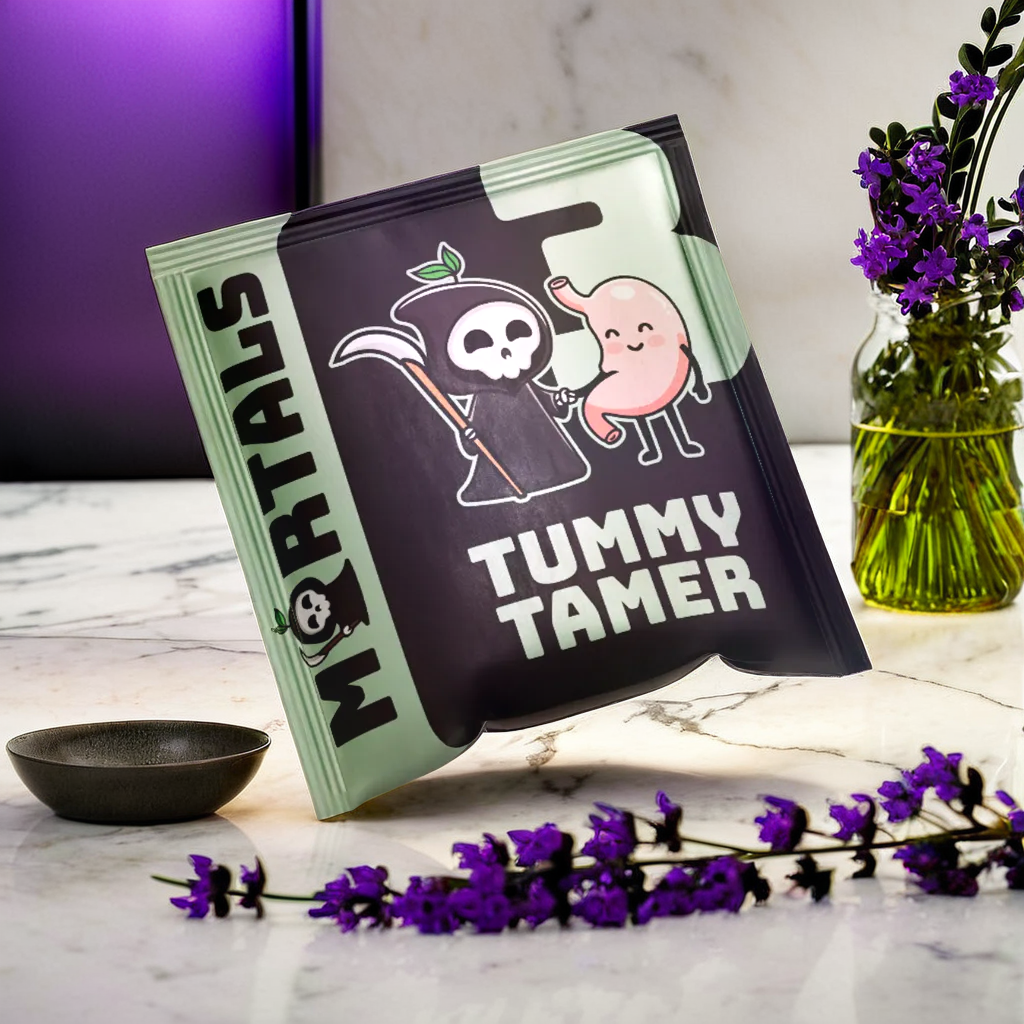
Tummy Tamer by Mortals combines all of these ingredients — ginger, bromelain, artichoke extract, probiotics, lemon balm, aloe vera, dandelion root, and licorice root — in a single-serve sachet with just 2 capsules. Designed for 15-30 minute onset, it's meant to be taken before meals you know might cause issues or at the first sign of bloating. Every ingredient is at a clinical dose — not the token amounts found in many digestive supplements.
Lifestyle Strategies to Reduce Bloating
Slow Down at Meals
Aim for at least 20 minutes per meal. Put your fork down between bites. Chew each bite thoroughly — ideally 20-30 chews. This simple change reduces air swallowing and dramatically improves mechanical digestion.
Identify Your Triggers
Keep a food-symptom diary for 2-3 weeks. Note what you eat, when, and how you feel 1-3 hours later. Patterns will emerge that help you identify your specific triggers.
Move After Eating
A 10-15 minute walk after meals significantly improves gastric motility and reduces post-meal bloating.
Manage Stress
Chronic stress is a consistent driver of digestive dysfunction. Regular exercise, adequate sleep, mindfulness practices, and — when needed — professional support all contribute to better gut function.
Stay Hydrated
Adequate water intake supports digestive enzyme function, bile flow, and intestinal motility. Aim for at least half your body weight in ounces daily.
When to See a Doctor About Bloating
While occasional bloating is normal, certain patterns warrant medical evaluation:
- Bloating accompanied by unexplained weight loss
- Persistent bloating that doesn't respond to dietary changes
- Bloating with severe pain, vomiting, or blood in stool
- Progressive worsening of symptoms over weeks or months
- Bloating with difficulty swallowing or early satiety
These could indicate conditions that require professional diagnosis and management.
Frequently Asked Questions
What causes bloating immediately after eating?
Immediate bloating is often caused by swallowing air (eating too fast), carbonated beverages, or food intolerances like lactose or fructose malabsorption. High-FODMAP foods can also trigger rapid fermentation.
What foods cause the most bloating?
Common culprits include beans, lentils, onions, garlic, dairy products, carbonated drinks, wheat products, and cruciferous vegetables like broccoli and cauliflower. Individual triggers vary significantly.
How long does bloating after eating typically last?
Typical post-meal bloating lasts 2-4 hours as food is digested and gas is either absorbed or passed. If bloating persists longer than 6 hours or occurs with every meal, consider consulting a healthcare provider.
Can digestive enzymes help with bloating?
Yes, supplemental digestive enzymes like bromelain can help break down food more completely in the upper digestive tract, reducing fermentation and gas production in the colon. Tummy Tamer includes bromelain alongside other digestive support ingredients.
Is bloating a sign of a food intolerance?
Consistent bloating after specific foods is one of the most common indicators of food intolerance. An elimination diet or food-symptom diary can help identify which foods are triggering your symptoms.
Written by Connor. Connor is the founder of Mortals, an all-natural supplement brand focused on clinical dosing. After years of frustration with underdosed supplements and misleading labels, he created Mortals to deliver what the research actually supports.
*These statements have not been evaluated by the Food and Drug Administration. This product is not intended to diagnose, treat, cure, or prevent any disease. Always consult your healthcare provider before starting any new supplement regimen.