Bloating is one of those frustrating conditions that can derail your entire day. That uncomfortable fullness, the distended belly, the embarrassing gas — it affects an estimated 16–30% of the general population on a regular basis. And while the occasional bout of bloating is normal, chronic bloating signals that something in your digestive system needs attention.
The good news? A growing body of research supports the use of natural supplements for bloating and gas relief. From digestive enzymes that break down problem foods to herbal extracts that soothe the gut lining, these are the best supplements for bloating backed by actual science.
Why Bloating Happens
Before diving into solutions, it helps to understand the root causes. Bloating typically occurs due to one or more of these mechanisms:
- Excess gas production: Bacteria in your large intestine ferment undigested carbohydrates, producing gas (hydrogen, methane, and carbon dioxide).
- Impaired motility: When food moves too slowly through your digestive tract, it has more time to ferment and produce gas.
- Enzyme deficiency: Insufficient production of digestive enzymes (like lactase or amylase) means certain foods aren't broken down properly in the small intestine.
- Gut microbiome imbalance: An overgrowth of gas-producing bacteria or a lack of beneficial strains can dramatically increase bloating.
- Food sensitivities: Common triggers include dairy, gluten, FODMAPs, cruciferous vegetables, and artificial sweeteners.
Effective supplements target one or more of these mechanisms. Here are the seven with the strongest evidence.
The 7 Best Supplements for Bloating and Gas Relief
1. Digestive Enzymes
Digestive enzymes are proteins that help break down food into absorbable nutrients. When your body doesn't produce enough on its own — which becomes increasingly common with age — undigested food reaches the large intestine and becomes a feast for gas-producing bacteria.
Key enzymes to look for:
- Amylase: Breaks down starches and complex carbohydrates
- Protease: Breaks down proteins
- Lipase: Breaks down fats
- Lactase: Breaks down dairy sugar (lactose)
- Alpha-galactosidase: Breaks down complex sugars in beans and cruciferous vegetables
A 2023 clinical trial found that digestive enzyme supplementation significantly improved functional dyspepsia symptoms including bloating, with improvements in quality of life and decreased pain severity. A randomized, double-blind study of a multienzyme complex showed significant improvements in bloating, fullness, and postprandial distress.
Clinical dose: Look for broad-spectrum enzyme blends with activity units listed (not just milligrams). A quality formula should include at least 3–5 different enzyme types.
When to take: With meals, ideally at the start of eating, for best results.
2. Probiotics
Probiotics are live beneficial bacteria that help restore balance to your gut microbiome. A 2020 meta-analysis of 35 RCTs with 3,452 patients found that probiotics significantly improved bloating scores (SMD -0.15, 95% CI -0.27 to -0.03, P = 0.01).
Well-researched strains for bloating:
- Lactobacillus acidophilus — supports lactose digestion
- Bifidobacterium lactis — A double-blind clinical trial showed B. lactis Bi-07 significantly improved bloating severity
- Lactobacillus plantarum — Research shows L. plantarum 299v provides symptom relief for bloating
- Bacillus coagulans — a spore-forming probiotic with excellent stomach acid survival
Clinical dose: 1–10 billion CFU daily of multi-strain formulas. Quality matters more than quantity — look for strains with specific clinical evidence.
What to know: Some people experience a temporary increase in gas when starting probiotics. This typically resolves within 1–2 weeks as the microbiome adjusts.
3. Ginger (Zingiber officinale)
Ginger has been used for thousands of years to support digestion, and modern research validates this traditional use. A 2008 clinical trial found that ginger accelerates gastric emptying by 50% — helping food move through the stomach more efficiently, which directly reduces that heavy, bloated feeling after meals.
How it works: Ginger contains bioactive compounds called gingerols and shogaols that support gastric emptying and help reduce intestinal cramping. A 2011 study confirmed ginger reduced gastric emptying time from 16.1 to 12.3 minutes in patients with functional dyspepsia.
Clinical dose: 250–1,000mg of ginger extract daily, or 1–2g of fresh ginger.
What to know: Ginger works both acutely (taken with meals) and as a daily support supplement.
4. Peppermint (Mentha piperita)
Peppermint oil is one of the most well-studied natural remedies for digestive discomfort. A 2022 systematic review and meta-analysis of 10 RCTs (1,030 patients) found that peppermint oil was significantly more effective than placebo for global IBS symptoms (NNT = 4) and abdominal pain (NNT = 7).
How it works: The active compound menthol has antispasmodic properties — it helps relax the smooth muscles of the gastrointestinal tract, allowing trapped gas to pass more easily.
Clinical dose: 180–400mg of enteric-coated peppermint oil capsules daily (enteric coating is important to prevent heartburn).
What to know: Avoid peppermint if you have GERD or acid reflux, as it can relax the lower esophageal sphincter and worsen symptoms.
5. Artichoke Leaf Extract (Cynara scolymus)
Artichoke leaf extract is an underappreciated digestive powerhouse. A controlled clinical trial found that artichoke extract significantly increased bile secretion at 120-150 minutes post-administration, concluding it can be recommended for treatment of dyspepsia, especially when attributed to disorders in fat assimilation.
How it works: Artichoke extract supports bile production, which is essential for fat digestion. It also has prebiotic effects, feeding beneficial gut bacteria. The compound cynarin is thought to be the primary active component.
Clinical dose: 320–640mg of standardized extract daily.
What to know: Particularly helpful for bloating after high-fat meals. Avoid if you have gallstones or bile duct obstruction.
6. Dandelion Root (Taraxacum officinale)
Dandelion root has a long history in traditional herbal medicine as a digestive tonic and mild diuretic. A 2022 review documents its potential for gastrointestinal support through anti-inflammatory compounds and high inulin content (~40% of dry weight).
How it works: Dandelion root supports bile flow and acts as a mild diuretic, helping reduce water-based bloating. It also contains inulin, a prebiotic fiber that feeds beneficial gut bacteria.
Clinical dose: 500–1,500mg of dried root extract daily.
What to know: Dandelion root is generally very well tolerated. It may support healthy kidney function through its mild diuretic action.
7. Fennel Seed (Foeniculum vulgare)
Fennel has been used across cultures for centuries to support digestive comfort after meals. Clinical research supports its traditional use — studies have found that fennel seed oil helped improve bloating and digestive discomfort in participants with mild-to-moderate digestive issues.
How it works: Fennel contains anethole, fenchone, and estragole — volatile oils that support smooth muscle relaxation in the gut, helping trapped gas move through the digestive tract.
Clinical dose: 250–500mg of fennel seed extract daily, or fennel tea (1–2 teaspoons of crushed seeds steeped for 10 minutes).
What to know: Fennel is exceptionally gentle and has one of the longest safety records of any digestive herb.
How to Choose the Right Bloating Supplement
With so many options, here's how to narrow it down:
- For bloating after meals: Start with digestive enzymes and ginger. These work at the point of digestion to help prevent gas before it starts.
- For chronic daily bloating: Probiotics and peppermint oil address underlying microbiome imbalances and gut motility issues.
- For bloating with water retention: Dandelion root can help with the puffy, water-weight component.
- For comprehensive support: Look for a multi-ingredient formula that addresses multiple mechanisms simultaneously.
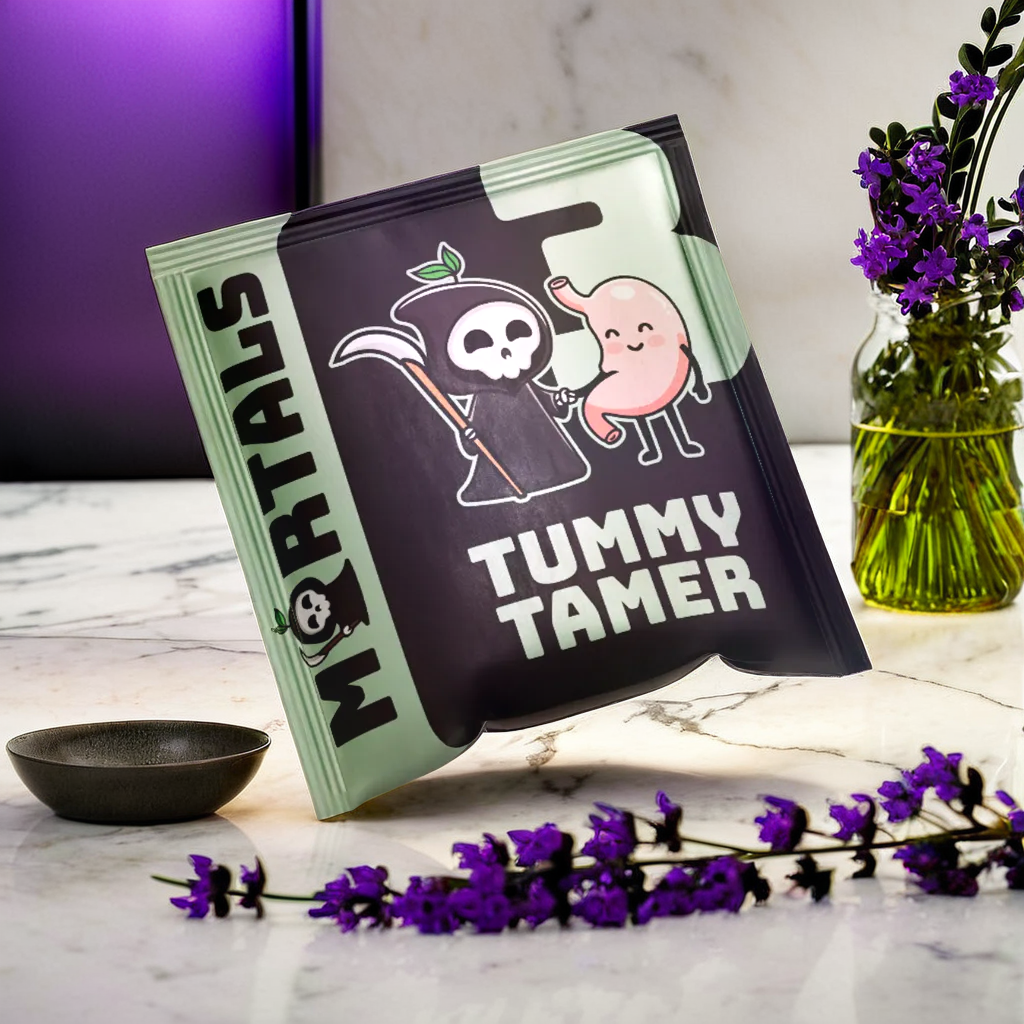
Tummy Tamer by Mortals takes this comprehensive approach, combining clinically dosed digestive enzymes, Bacillus spore-based probiotics, ginger, and other gut-supporting ingredients in a single-serve sachet. Note: Tummy Tamer uses spore-based Bacillus probiotics (B. clausii, B. coagulans, B. mesentericus, B. subtilis) rather than Lactobacillus or Bifidobacterium strains. Spore-based probiotics offer superior survival through stomach acid and excellent shelf stability. Designed for fast-acting support in 15–30 minutes, it addresses bloating from multiple angles — enzyme deficiency, microbiome support, and motility. Every batch is triple third-party tested and made in the USA.
Prevention Tips: How to Reduce Bloating Naturally
Supplements work best alongside smart lifestyle habits:
- Eat slowly: Rushing meals causes you to swallow excess air, a major contributor to bloating.
- Identify trigger foods: Keep a food diary for 2 weeks. Common culprits include dairy, beans, onions, garlic, wheat, and carbonated drinks.
- Stay hydrated: Water supports digestion and helps fiber move through your system efficiently.
- Move after meals: A 10–15 minute walk after eating helps stimulate gastric motility.
- Manage stress: The gut-brain axis is real — chronic stress directly impairs digestive function.
- Cook gas-producing vegetables: Steaming or roasting cruciferous vegetables breaks down some of the complex sugars that cause gas.
Frequently Asked Questions
What is the best supplement for bloating and gas?
Digestive enzymes and probiotics have the broadest evidence base for supporting healthy digestion and helping reduce bloating. For fast relief, ginger and peppermint oil are excellent options. A multi-ingredient formula like Tummy Tamer addresses multiple causes simultaneously.
How long do bloating supplements take to work?
Digestive enzymes and peppermint oil can support comfort within 15–30 minutes when taken with meals. Probiotics typically take 1–4 weeks of consistent use to meaningfully shift the gut microbiome and provide sustained benefits.
Can probiotics make bloating worse?
Some people experience a temporary increase in gas during the first 1–2 weeks of probiotic supplementation as the gut microbiome adjusts. This typically resolves on its own. If it persists beyond 2 weeks, try a different strain combination or lower dose.
Should I take digestive enzymes before or after meals?
For best results, take digestive enzymes at the beginning of a meal or just before eating. This gives the enzymes time to mix with food as it enters the stomach, supporting optimal breakdown of nutrients.
When should I see a doctor about bloating?
Consult your healthcare provider if bloating is accompanied by unexplained weight loss, persistent pain, blood in stool, significant changes in bowel habits, or if symptoms don't improve after 4 weeks of dietary and supplement changes.
Written by Connor. Connor is the founder of Mortals, an all-natural supplement brand focused on clinical dosing. After years of frustration with underdosed supplements and misleading labels, he created Mortals to deliver what the research actually supports.
*These statements have not been evaluated by the Food and Drug Administration. This product is not intended to diagnose, treat, cure, or prevent any disease. Always consult your healthcare provider before starting any new supplement regimen.