Bloating is one of those discomforts that can derail your entire day. Whether it hits after a meal, during travel, or seemingly out of nowhere, that tight, swollen feeling in your abdomen is something most people experience regularly. In fact, studies suggest up to 30% of the general population reports bloating on a regular basis.
The good news? You do not have to just wait it out. There are natural, science-backed approaches that can help you debloat fast — and habits that can help prevent it from coming back.
Why You Are Bloated (The Most Common Causes)
Before you can fix bloating, it helps to understand what is causing it. Bloating usually comes down to one (or more) of these culprits:
- Excess gas production from gut bacteria. When bacteria in your large intestine ferment undigested carbohydrates, they produce gas. Some people produce more gas than others based on their unique gut microbiome composition.
- Water retention from sodium. A high-sodium meal can cause your body to hold onto extra water, leading to puffiness and abdominal distension that feels like bloating but is actually fluid-related.
- Constipation. When stool moves slowly through your digestive tract, it gives bacteria more time to ferment and produce gas. Backed-up digestion is one of the most common causes of persistent bloating.
- Food intolerances. Dairy (lactose), gluten, and high-FODMAP foods are the most common triggers. Many people have subclinical intolerances they are not even aware of. Research shows approximately 68% of the global population has lactose malabsorption.
- Eating too fast or swallowing air. Aerophagia — swallowing excess air while eating, drinking through straws, or chewing gum — introduces air directly into your digestive system.
Quick Relief: How to Debloat in Hours
When bloating strikes and you need relief now, these approaches have the strongest evidence for fast results.
Ginger
Ginger has been used for digestive support for thousands of years, and modern research validates its use. A 2008 clinical trial found that ginger accelerates gastric emptying by 50% — meaning it helps food move from your stomach into your small intestine more quickly. When food sits in your stomach too long, it can cause that heavy, bloated feeling. A follow-up study confirmed ginger reduced gastric emptying time from 16.1 to 12.3 minutes in patients with functional dyspepsia. Fresh ginger tea or ginger extract can provide quick relief within 15-30 minutes.
Lemon Balm
Lemon balm (Melissa officinalis) is a member of the mint family with well-documented support for both digestive comfort and relaxation. It has antispasmodic properties that help relax the smooth muscles of the gastrointestinal tract, allowing trapped gas to pass more easily. Its calming effects also address stress-related digestive issues through the gut-brain connection. Lemon balm tea can provide quick, soothing relief within 15-30 minutes.
Movement
Even a 10-15 minute walk after eating can make a meaningful difference. Physical activity stimulates peristalsis — the wave-like contractions that move food through your digestive tract. Research shows that gentle post-meal walking reduces bloating and gas significantly compared to remaining sedentary. You do not need intense exercise; a casual stroll is enough to get things moving.
Heat Application
Applying a heating pad to your abdomen is a time-tested approach that works. Heat relaxes the abdominal muscles and can help ease the discomfort of gas and bloating. Studies have found that topical heat therapy provides significant relief for abdominal discomfort, comparable to some over-the-counter options.
Potassium-Rich Foods
If your bloating is related to sodium and water retention, potassium helps restore the balance. Bananas, avocados, sweet potatoes, and spinach are all excellent sources. Potassium acts as a natural counterbalance to sodium, helping your kidneys flush out excess water and reduce that puffy, bloated feeling.
Supplements That Support Digestion
When lifestyle changes need a boost, certain supplements have strong clinical evidence for supporting digestive comfort and helping reduce bloating.
Digestive Enzymes
Digestive enzymes help break down food more efficiently so your gut bacteria have less undigested material to ferment. This means less gas production and less bloating. A 2023 clinical trial found that digestive enzyme supplementation significantly improved functional dyspepsia symptoms. Enzymes like lipase (for fats), protease (for proteins), and amylase (for carbohydrates) can be especially helpful if you notice bloating after large or rich meals.
Probiotics
Probiotics help rebalance your gut flora, which is often at the root of chronic bloating. When harmful bacteria outnumber beneficial ones, gas production increases. A 2020 meta-analysis of 35 RCTs found that multi-strain probiotic formulas significantly improved bloating scores (SMD -0.15, P = 0.01), particularly in people with IBS or functional digestive issues.
Ginger Extract
Concentrated ginger extract promotes gastric motility and supports the movement of food and gas through your digestive system. Research confirms ginger also acts as a 5-HT3 receptor antagonist, helping ease nausea through the same mechanism as prescription anti-nausea medications.
Lemon Balm Extract
Lemon balm extract provides concentrated antispasmodic and calming support. It helps relax the smooth muscles of the GI tract while also addressing the stress component that often exacerbates digestive issues. Studies in the Journal of Evidence-Based Integrative Medicine have found lemon balm supports digestive comfort, particularly for stress-related occasional digestive issues.
Other Effective Options
Peppermint oil capsules are another well-studied option for digestive discomfort. A 2022 meta-analysis found enteric-coated peppermint oil significantly superior to placebo for IBS symptoms with an NNT of 4. Avoid peppermint if you have GERD or acid reflux. Note: Tummy Tamer uses ginger and lemon balm (not peppermint) to achieve similar soothing effects through different mechanisms.
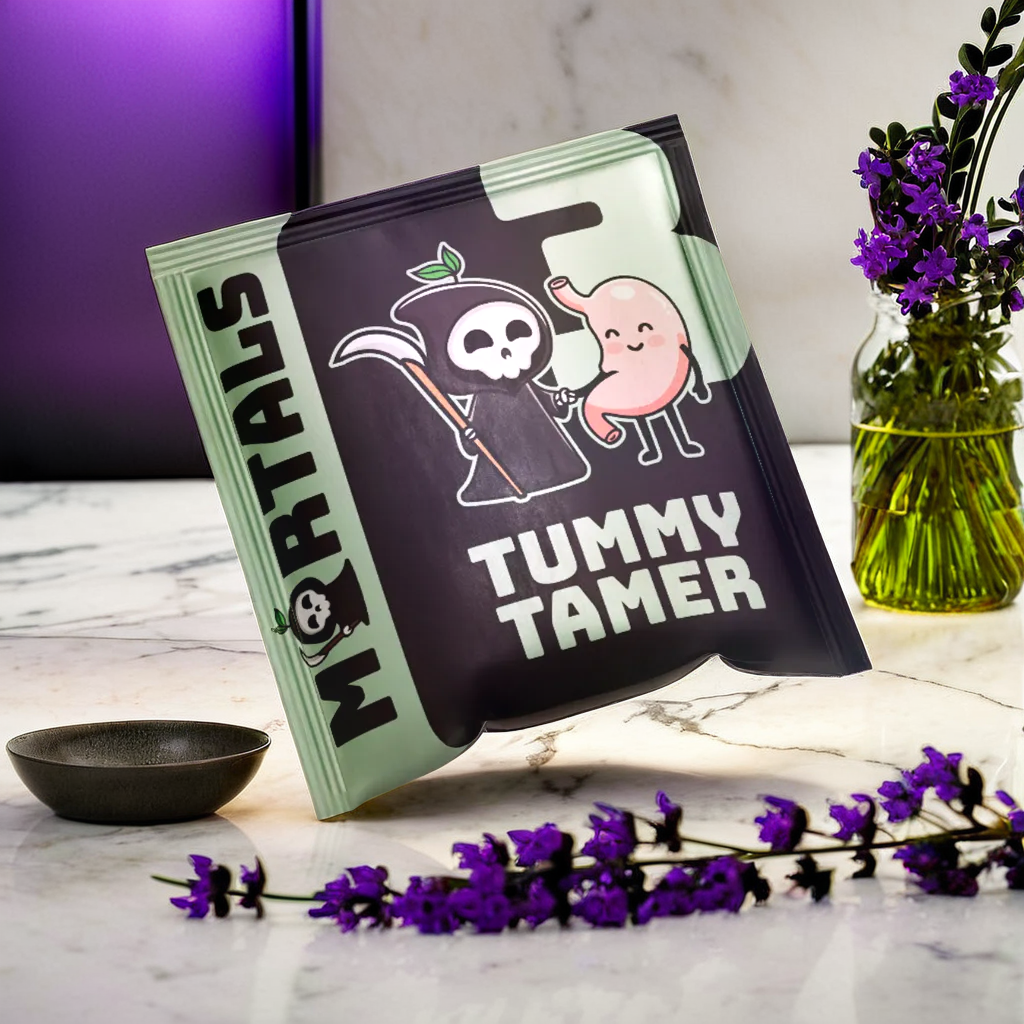
Looking for comprehensive digestive support? Tummy Tamer contains 8 digestive ingredients plus probiotics in a single sachet — designed to support digestive comfort in as little as 15-30 minutes. Each dose is pre-measured and individually sealed for freshness and convenience.
The Overnight Debloat Protocol
If you want to wake up feeling lighter, this evidence-based overnight approach can help:
- Extend your overnight fast to 12+ hours. This triggers your migrating motor complex (MMC) — a wave-like cleaning mechanism that sweeps bacteria and debris from your small intestine. The MMC only activates during fasting, which is why constant snacking can worsen bloating.
- Hydrate with still water. Skip sparkling water before bed — the carbonation introduces gas into your digestive system. Plain water supports kidney function and helps flush excess sodium.
- Eat a potassium-rich, low-sodium dinner. Think salmon with sweet potato and leafy greens instead of takeout. This combination helps your body release retained water overnight.
- Gentle yoga or stretching before bed. Specific poses like child's pose, knees-to-chest, and gentle twists can help move trapped gas through your system and promote comfortable digestion overnight.
Long-Term Prevention: How to Stop Bloating Before It Starts
Quick fixes are great, but the real goal is preventing bloating in the first place. These daily habits make the biggest difference over time:
- Eat slowly and chew thoroughly. Digestion begins in your mouth. Chewing each bite 15-20 times reduces the amount of air you swallow and gives digestive enzymes in your saliva more time to begin breaking down food.
- Identify your trigger foods. Keep a simple food journal for 2-3 weeks. Note what you eat and when bloating occurs. Common culprits include dairy, wheat, beans, cruciferous vegetables, and artificial sweeteners. Once you identify patterns, you can adjust accordingly.
- Increase fiber gradually. Fiber is essential for digestive health, but adding too much too quickly can actually worsen bloating. Increase fiber intake by 3-5 grams per week until you reach the recommended 25-35 grams daily.
- Stay hydrated. Water helps fiber work properly and keeps things moving through your digestive tract. Aim for at least half your body weight in ounces per day.
- Consider daily digestive support. If bloating is a regular occurrence, daily probiotic and enzyme support can help maintain a healthier gut environment over time.
For on-the-go digestive support whenever bloating strikes, keep Tummy Tamer sachets on hand. They are portable, pre-dosed, and designed to provide fast-acting support exactly when you need it.
When Bloating Is Something More Serious
While occasional bloating is normal, certain patterns warrant medical attention. See a healthcare provider if you experience:
- Persistent bloating that does not resolve with dietary changes or lasts more than two weeks
- Unexplained weight loss alongside bloating
- Blood in your stool
- Severe abdominal pain
- Difficulty eating or feeling full very quickly
These symptoms could indicate conditions like SIBO (small intestinal bacterial overgrowth), IBS, celiac disease, or in rare cases, ovarian or gastrointestinal conditions that need professional evaluation. Chronic bloating is your body communicating something — listen to it and consult a healthcare provider for proper assessment.
Frequently Asked Questions
How fast can you debloat?
With the right approach, mild bloating can improve within 1-2 hours. Ginger, lemon balm, movement, and digestive enzymes provide the fastest relief. Sodium-related water retention may take 12-24 hours to resolve.
What foods help debloat quickly?
Potassium-rich foods like banana, avocado, and sweet potato help with water retention. Ginger tea, lemon balm tea, and cucumber also support debloating. Avoid carbonated drinks, high-sodium foods, and known trigger foods.
Do probiotics help with bloating?
Yes — a 2020 meta-analysis found probiotics significantly improved bloating scores in IBS patients. Look for multi-strain formulas with clinically studied strains. It may take 1-4 weeks of consistent use to notice the full benefit.
Why am I bloated every day?
Chronic daily bloating may indicate a food intolerance, SIBO, IBS, or other digestive conditions. Keeping a food journal can help identify patterns. If bloating persists despite dietary changes, consult a healthcare provider for proper evaluation.
Can supplements help with bloating?
Digestive enzymes, probiotics, ginger, and lemon balm are all clinically studied for supporting digestive comfort and reducing bloating. Multi-ingredient formulas that address multiple causes tend to be most effective, as bloating rarely has a single cause.
About the Author
Connor is the founder of Mortals, an all-natural supplement brand committed to clinical doses, transparent ingredients, and single-serve convenience. After years of frustration with underdosed supplements and misleading labels, Connor built Mortals to deliver what the supplement industry has been promising but rarely delivers — products that actually work.
*These statements have not been evaluated by the Food and Drug Administration. This product is not intended to diagnose, treat, cure, or prevent any disease. Always consult your healthcare provider before starting any new supplement regimen.